
Article
Get to Know KYC: The Key to Safe Transactions in the Digital Age
KYC is a procedure allowing financial institutions to accurately verify who their customers are. This fosters a transparent and safe financial environment while safeguarding against illegal activities.
KYC is one of the identity verification steps that plays an extremely important role in the modern financial world, whether it is opening a bank account, investing in capital markets, or trading digital assets. The goal is to ensure that the person performing the transaction has a real identity, is verifiable, and is not involved in illegal activities. Implementing the KYC system is therefore part of elevating the overall security of the financial system.
In this article, KGP will take everyone to understand what KYC is, how important it is for today's transactions, and introduce innovations like e-KYC that will help make identity verification more convenient by being done through online channels without having to travel to a branch. This ensures that both merchants and users are ready to adapt to the new financial world with confidence.
Key Takeaways
- KYC is the process of verifying a customer's identity to increase transparency and help prevent financial crimes such as money laundering and identity theft.
- Most financial services in Thailand require KYC, including banks, brokers, insurance companies, and digital asset exchanges.
- Preparing complete information helps pass KYC in one go, such as ID card details, occupation, income, and taking clear photos of documents.
- e-KYC increases convenience for users, allowing identity verification through online platforms without traveling to a branch.
- Meta Pay by KGP has a Re-KYC process for security and compliance with Anti-Money Laundering (AMLO) laws, helping merchants use the system continuously and without interruption.
Article Contents
- What is KYC? Get to know the identity verification process every transaction must have
- Financial services in Thailand that require KYC
- Tricks to pass KYC identity verification in one go: Easier and more convenient than you think
- How important is KYC and why must you verify?
- Passing KYC via Meta Pay by KGP securely
- Frequently Asked Questions (FAQs)
- Summary: What is KYC? The important gateway to smooth transactions
What is KYC? Get to know the identity verification process every transaction must have
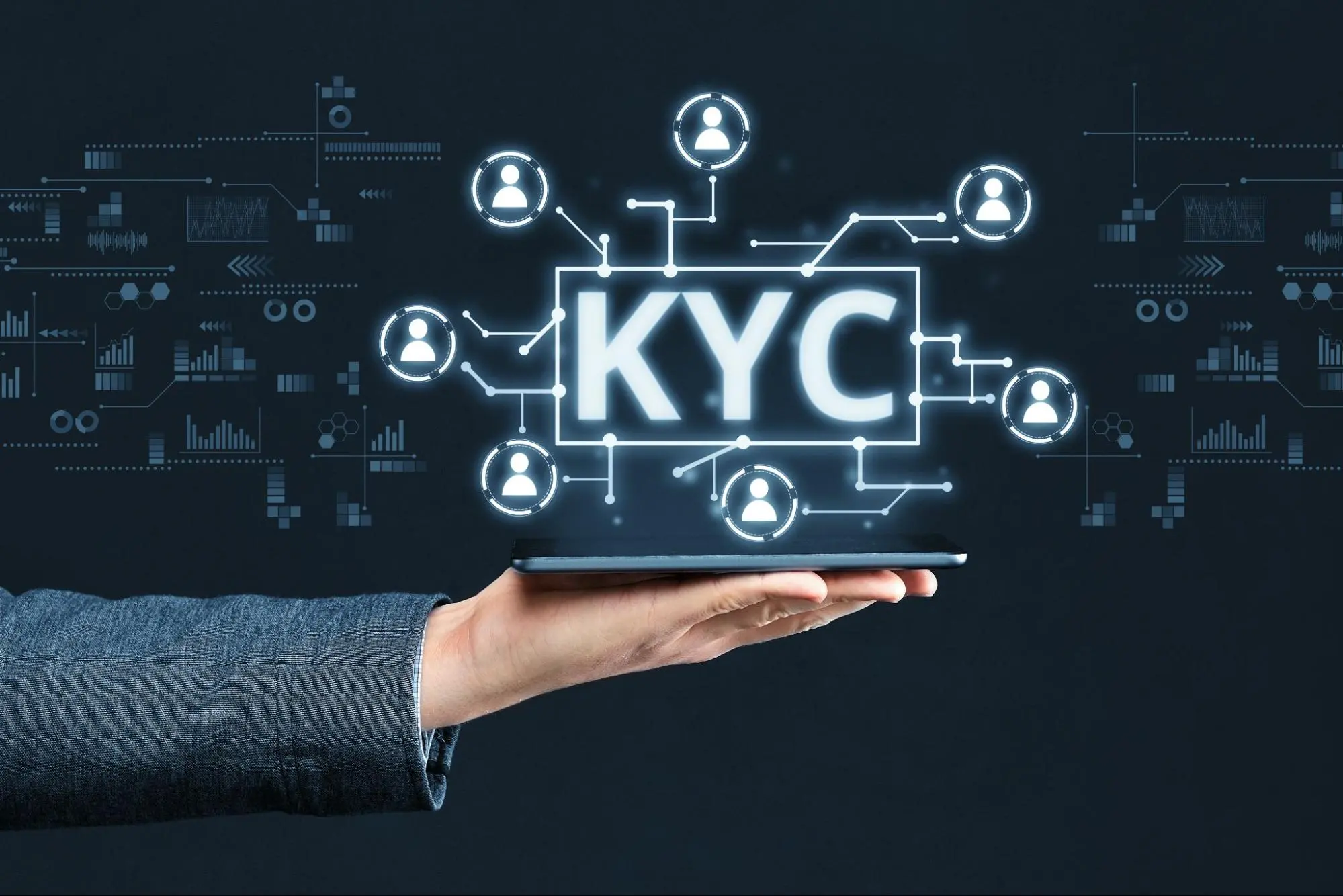
KYC stands for Know Your Customer. It is the process of verifying and identifying a customer's identity by financial institutions, payment service providers, and digital asset service providers. The goal of KYC is to identify who the customer is, whether they truly exist, and their level of credibility. For this reason, KYC helps financial transactions become transparent, verifiable, and within the legal framework.
In addition, KYC plays a vital role in preventing illegal financial activities such as money laundering, fraud, the use of fake slips, or supporting financial crimes. This is done by verifying personal information and government documents such as ID cards, passports, or driver's licenses, alongside risk assessment according to specified criteria.
Financial services in Thailand that require KYC
Most financial services in Thailand are required to perform KYC to prevent risks and comply with legal regulations. Examples of services requiring KYC include:
- Banks: New customers must verify their identity before opening an account and using applications, following the Bank of Thailand's guidelines to elevate the security of online transactions.
- Digital Asset Exchanges: Must perform KYC before allowing customers to trade digital assets and often have periodic account information review processes.
- Investment Management Companies: Must verify and identify identities before opening investment accounts to ensure access to investment platforms is legally compliant.
- Money Transfer and Payment Services: Must verify identity before use to reduce the risk of the system being used for illegal activities.
- Insurance Companies: Must perform KYC Verification before issuing policies to ensure the insured's information matches their identity and to reduce the risk of fraud.
Tricks to pass KYC identity verification in one go: Easier than you think
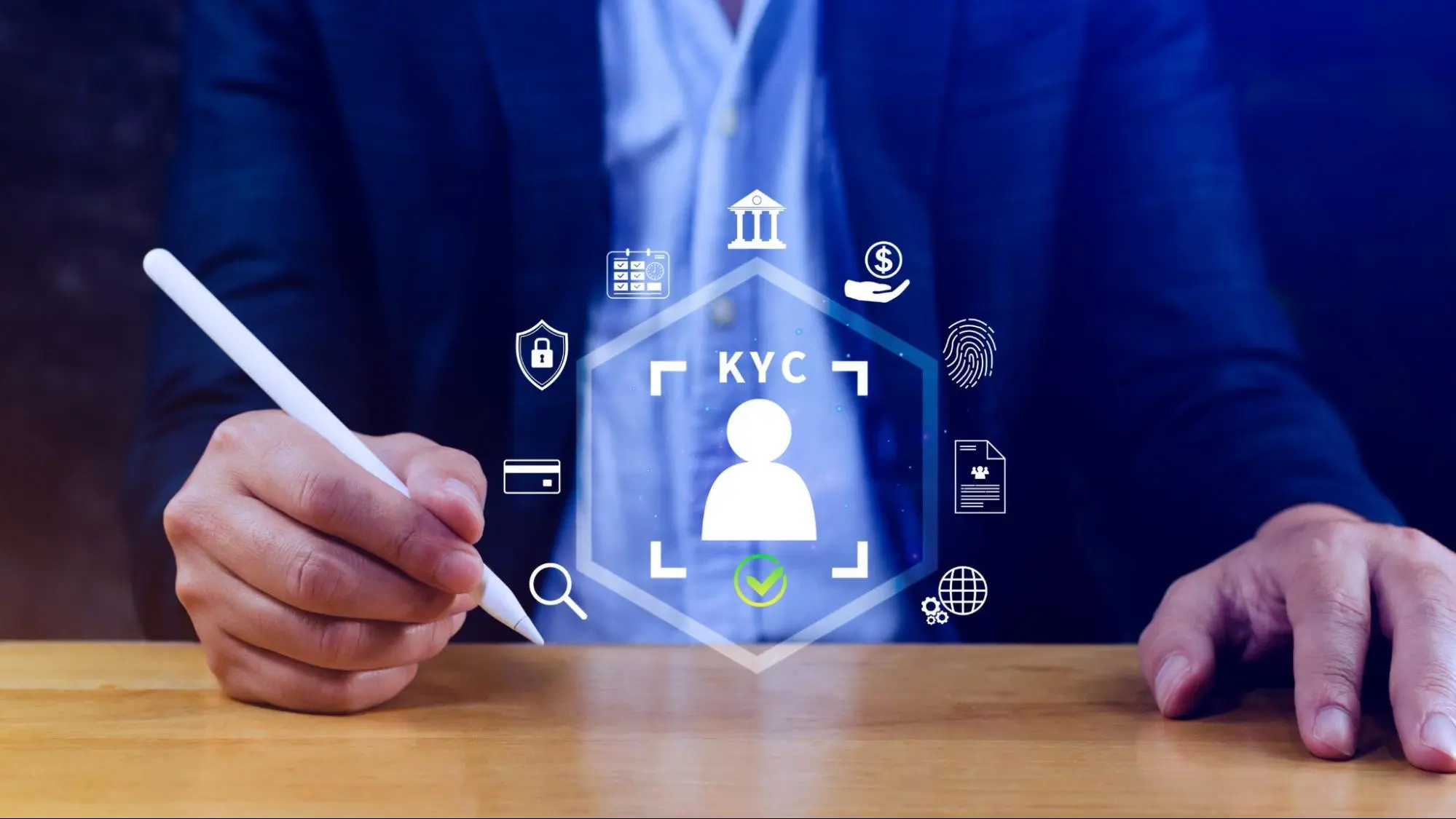
Many people might feel that doing KYC is complicated, but in reality, if you prepare your information and documents, you can pass the identity verification the first time. Here are some tips:
- Fill in information exactly as it appears on your ID card, every character. Enter your name-surname, ID number, date of birth, and other information to match the actual document. Also, check that the card has at least 1 month of validity remaining.
- Clearly state your occupation and workplace. Enter the company or shop name correctly. If you are a freelancer or sell online from home, you should provide the full address and source of income.
- Disclose all sources of income. If you have more than one channel, such as a full-time job + freelance + online selling, you should list every channel.
- Answer information truthfully to allow the system to assess risk accurately.
- Take clear photos of documents. Take photos of the front and back of your ID card, ensuring all information is visible, clear, without glare. Take a selfie facing forward, dressed appropriately, without a hat/sunglasses, and with no one else in the frame.
- In the case of ages 18–20, attach additional documents as required, such as a signed consent letter and a selfie with the parent's ID card, as specified by the system or service provider.
How important is KYC and why must you verify?
Many may wonder why various financial institutions consider KYC an important step in transactions. The KYC system is what helps the financial system be secure, transparent, and reliable for several main reasons:
- Prevents money laundering and financial crimes, allowing financial institutions to monitor and screen risks, reduce fraud opportunities, and decrease illegal transactions.
- Verifies identity to prevent impersonation, reducing the risk of forged information or using someone else's data to perform unauthorized transactions.
- Complies with laws and regulations of governing bodies, such as requirements from the Bank of Thailand, the SEC, and other regulatory agencies.
- Increases confidence in platforms and financial services. When proper verification is in place, users feel more confident that the platform is secure and reliable.
- Supports future online transactions. Implementing e-KYC technology allows users to verify their identity digitally, reducing the steps of traveling to a branch and increasing convenience in opening accounts or applying for services.
Re-KYC via Meta Pay by KGP Securely
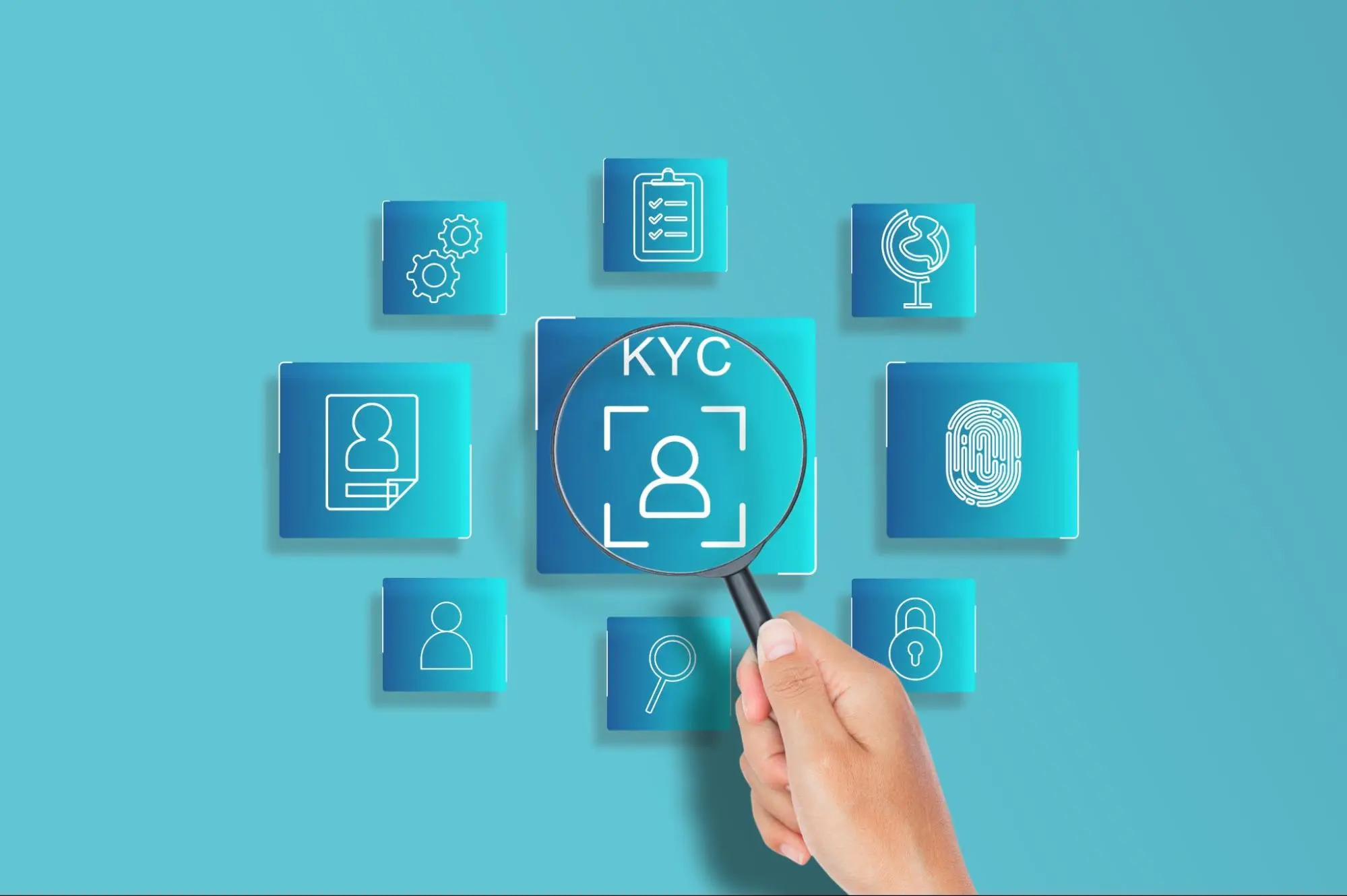
After understanding what KYC is and why it's important, for merchants using Meta Pay by KGP, KGP requests cooperation to check and update identity information, or Re-KYC, to be current. This ensures merchants can use Meta Pay smoothly and in compliance with Anti-Money Laundering (AMLO) laws.
If merchant information has not changed, you can click to confirm via this link. The information used for identity verification, including information for issuing electronic tax invoices, must be the same name as the Meta Pay applicant only.
For merchants who need to update or edit information, you can contact the KGP Contact Center at 02-008-8820, 24 hours a day, and prepare documents according to the type of merchant as follows:
For Individual Merchants
1. Photo of the front of the ID card, with clear information and photo, not obscured, and not expired. 2. Selfie holding the ID card, showing the full face, without a hat or sunglasses, and with nothing blocking the face.
For Corporate Merchants
1. Company Registration Certificate, not older than 3 months, with the signature of authorized directors and the company seal (if any). 2. Copies of authorized directors' ID cards with certified signatures. 3. Power of Attorney (if assigned). 4. Copy of the authorized person's ID card with a certified signature.
Once the documents are complete, merchants can send the information to the email info.kgp@kasikornglobalpayment.com with the subject line "Merchant Name: Notification of document submission for Meta Pay merchant information change" for the team to proceed with verification and updating information accordingly.
Frequently Asked Questions (FAQs)
How is e-KYC different from regular KYC?
e-KYC is identity verification through an electronic system, such as an online form or application, which is fast and convenient. Traditional KYC still uses physical documents and must be done through an officer or branch (depending on the service model of each provider).
Is the information we provide safe?
Generally, KYC and e-KYC processes are conducted under data security standards as required by law, with controlled access rights and data storage in systems with multiple layers of protection to reduce the risk of leaks or unauthorized use. Re-KYC is an update of only necessary information to keep data current and aligned with the customer's risk level, thereby elevating account security, reducing impersonation opportunities, and making transactions transparent and verifiable.
Summary: What is KYC? The Key to Seamless Transactions
KYC is a vital mechanism for financial transactions in the modern era because it helps verify user identities to be truly traceable and ensures transactions stay within the legal framework. Performing KYC correctly helps reduce risks from forgery, money laundering, and fraud. Meanwhile, e-KYC makes these steps fast, convenient, and suited to the behavior of modern consumers who live more on online channels. Periodic Re-KYC, or reviewing and updating information, is another step that ensures user data remains accurate, up-to-date, and transparent. This is not just about following legal requirements but also helps elevate account security against fraud in the long run.
To support merchants in running their businesses flexibly and safely, KGP provides online payment systems designed for businesses of all sizes, helping entrepreneurs start accepting payments without having to invest in system development themselves. We support comprehensive payments including QR Payment, Mobile Banking, Credit/Debit cards, Payment Links+, E-Wallet (TrueMoney Wallet), and Online Direct Debit (ODD) to help enhance a professional image and build customer confidence in every step of the payment process.
KGP, Payment. Make It Smooth.
LinkedIn : Kasikorn Global Payment
References
1. Natalie Davies. (November 21, 2025). KYC 101: Understanding Know Your Customer processes and benefits. northrow. https://www.northrow.com/blog/KYC-meaning 2. Tom Sullivan. (June 23, 2025). What KYC is and why it matters in financial services. Plaid. https://plaid.com/resources/banking/what-is-KYC/
Related News/Articles
Follow Us