
Article
What is e-Payment? An Essential Payment System for Businesses
e-Payment is an electronic payment system that facilitates payments for various goods or services, increasing convenience and speed, eliminating the need to pay with cash.
e-Payment is becoming the heart of transactions in the digital age, which businesses of almost every size must use to support rapidly changing consumer behavior. Whether it is online trading, cashless services, or back-end systems requiring speed and accuracy, adopting e-Payment is not just a payment option, but a strategic tool that helps drive business growth and competitiveness in the current market.
In this article, KGP will take you to get to know e-Payment better, from its working models to the benefits to be gained, so you can understand the complete overview and apply it immediately.
Key Takeaway
- e-Payment is an electronic payment system that allows users to conduct financial transactions via digital channels systematically.
- e-Payment helps increase convenience and speed in receiving and paying money, helps reduce errors from cash management, and reduces time costs.
- Mobile Banking is a payment form that businesses can use to increase efficiency and enhance convenience in accepting payments.
- e-Payment systems help businesses reduce cash management costs while increasing speed, accuracy, and transparency in accounting.
Article Table of Contents
- What is e-Payment? Why do many businesses choose to use it?
- How is e-Payment important?
- What types of e-Payment are popular in the business sector?
- 5 Benefits of e-Payment that businesses should not overlook
- What are examples of e-Payment popular today?
- KGP, the online payment acceptance service or e-Payment system that businesses choose
- Frequently Asked Questions (FAQs)
- e-Payment, the system that facilitates every payment
What is e-Payment? Why do many businesses choose to use it?
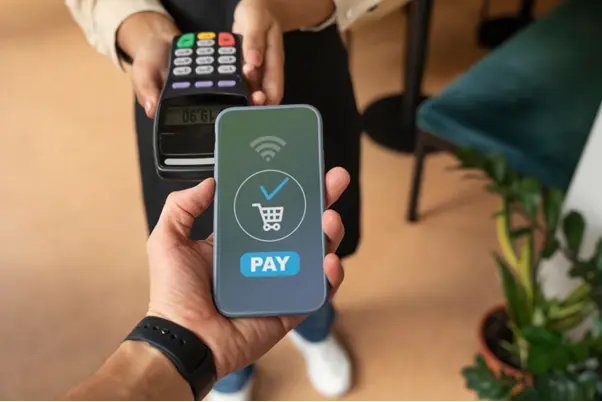
Electronic Payment or e-Payment is an electronic payment system that allows users to conduct financial transactions via digital channels such as banking applications, mobile wallets, or various online platforms without the need to use cash or travel to service locations.
The e-Payment system has rapidly gained popularity in many businesses because it serves as a connecting point between purchasing demand and organizational revenue. Closing sales can happen anywhere, anytime, through various devices and platforms such as Mobile Banking, EDC, or Payment Gateways on websites, helping to reduce cumbersome physical processes to merely verifiable digital data.
How is e-Payment important?
e-Payment is extremely important for transactions in the digital age because it enhances convenience and speed in receiving and paying money, which is the most critical moment of closing a sale. The easier and faster customers can access payment channels, the higher the opportunity to generate sales.
Payment via e-Payment systems helps reduce errors from cash management, reduces time costs, and also increases transparency in accounting with automated transaction recording systems, allowing businesses to manage data more efficiently.
Furthermore, e-Payment systems are a fundamental basis for developing new payment technologies such as E-Wallets, QR Payment, and automatic debit systems, helping various financial transactions to be convenient, fast, and aiding in the sustainable growth of the digital economy.
What types of e-Payment are popular in the business sector?
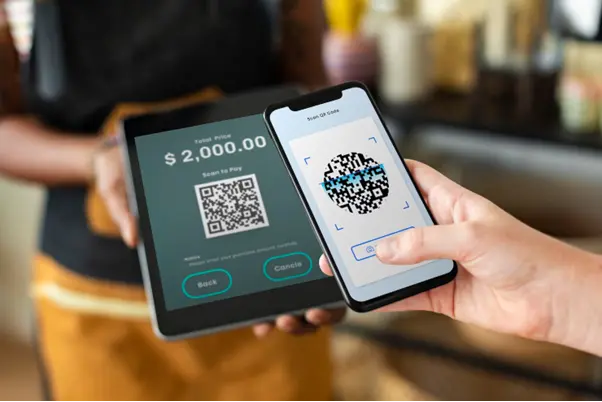
e-Payment can be divided into several types based on usage patterns and supporting technologies. Each type is designed so that businesses do not miss any sales opportunities. Supporting diverse e-Payment methods is essential. The types of e-Payment systems popular in the business sector are as follows:
Money Transfer via Mobile Phone (Mobile Banking)
Payment via Mobile Banking is a widespread form of payment today. Users can transfer money to purchase goods or services from their mobile phones 24 hours a day. For businesses, receiving money via Mobile Banking allows operators to check balances immediately, helping to reduce delays from traditional transfers.
Digital Wallet (E-Wallet)
E-Wallet is a system designed to be used as a money storage account in digital form. Users can pay for goods or use various services conveniently without paying cash. Many businesses popularly develop systems to support payment via E-Wallet. Additionally, promotions or membership systems can be conducted alongside it, increasing sales opportunities.
QR Code Payment
QR Code Payment is a highly popular payment channel in many industries, suitable for both storefronts and online. Customers simply scan to pay immediately. Businesses do not need to invest in additional equipment; having just a QR Code allows for systematic money reception. It also conveniently connects transaction data to accounting or back-end systems.
Using Credit/Debit Cards
Payment with credit and debit cards remains a trusted channel for businesses requiring security and standards. It is suitable for businesses with storefronts or those accepting payments via card swipe machines (EDC), including online stores that want to reduce the risk of holding cash. Customers can pay conveniently, while businesses gain confidence from the verification systems and security measures of card providers.
5 Benefits of e-Payment that businesses should not overlook

The e-Payment system is not just a modern payment channel but also a key mechanism that helps businesses operate agilely, reduce costs, and create good experiences for customers. If an organization wants to grow efficiently in the digital age, these benefits are things that should not be overlooked.
1. Reduce cash management costs : Helps reduce hidden costs from cash and document administration. 2. Increase sales closing opportunities : Responds to customer convenience through channels customers are familiar with. 3. Check data in real-time : Access sales data and customer behavior for immediate further analysis. 4. Help create good customer experiences : Businesses can create good experiences for customers by preparing diverse payment channels for maximum customer convenience, because fast and easy payment experiences contribute to increasing future repurchase rates. 5. Support business expansion to digital systems : Supports connection with back-end systems such as accounting systems, membership systems, or data analysis systems to increase overall management efficiency.
What are examples of e-Payment popular today?
Currently, consumers and businesses choose to use various forms of e-Payment services for convenience, speed, and to reduce the burden of using cash. The following are examples of e-Payment popular in Thailand:
- E-Wallet from TrueMoney Wallet : A digital wallet system that supports transfers, bill payments, game top-ups, payments for goods and services, including use with small shops that support QR payment conveniently, helping businesses reach a wider customer group.
- PromptPay : A money receiving-transferring system that uses only a phone number, ID card number, or account number, making payment easy and time-saving. It is suitable for both shops and organizations that want speed and reduced transaction management costs.
KGP, the online payment acceptance service or e-Payment system that businesses choose
KGP is an online payment acceptance service or e-Payment that helps businesses of all sizes manage transactions efficiently. It supports diverse payment channels, whether Meta Pay, QR Payment, Mobile Banking, Credit/Debit cards, Payment Link+, E-Wallet from TrueMoney Wallet, as well as automatic debit services (Online Direct Debit) to make receiving money easy and fast.
Additionally, KGP offers summary and fund transfer services to relevant accounts (Payouts & Settlement), helping back-end processes run smoothly, resulting in faster sales closures for businesses, increasing growth opportunities, and supporting stable expansion in the digital age.
Frequently Asked Questions (FAQs)
Is e-Payment safe?
e-Payment systems have high security with encryption measures and multi-layer identity verification, effectively reducing the risk of data forgery or abnormal transactions.
How should businesses handle e-Payment taxes correctly?
Businesses should organize accounting systems and collect revenue-expense documents correctly. All data must be consistent with actual e-Payment transactions. Furthermore, operators should study tax regulations related to doing business to avoid tax risks that may arise in the future.
e-Payment, the system that facilitates every payment
e-Payment is an important standard for doing business in the digital age, helping businesses work fast, transparently, and reducing traditional limitations of cash management. For businesses wanting to adapt to align with current consumer and partner behaviors, having a payment acceptance system that is stable, secure, and supports diverse payment channels, whether Mobile Banking, E-Wallet, QR Payment, or Credit/Debit cards, will help elevate customer experience and be a driving force for long-term organizational growth.
In addition, e-Payment systems help make data verification, summary, and accounting management more accurate and systematic. KGP is ready to elevate businesses of all sizes with stable and secure online payment systems, helping financial management be smooth and systematic, so operators can fully dedicate their time to building sales and expanding business growth.
KGP, Payment. Make It Smooth.
LinkedIn : Kasikorn Global Payment
References
1. “e-Payment" Electronic Payment. (n.d.). Electronic Transactions Development Agency. https://www.etda.or.th/ 2. Application for e-Payment Business License. (n.d.). Bank of Thailand. https://www.bot.or.th/
Related News/Articles
Follow Us